Makeup Contouring for Your Face Shape: A Real Guide That Actually Works
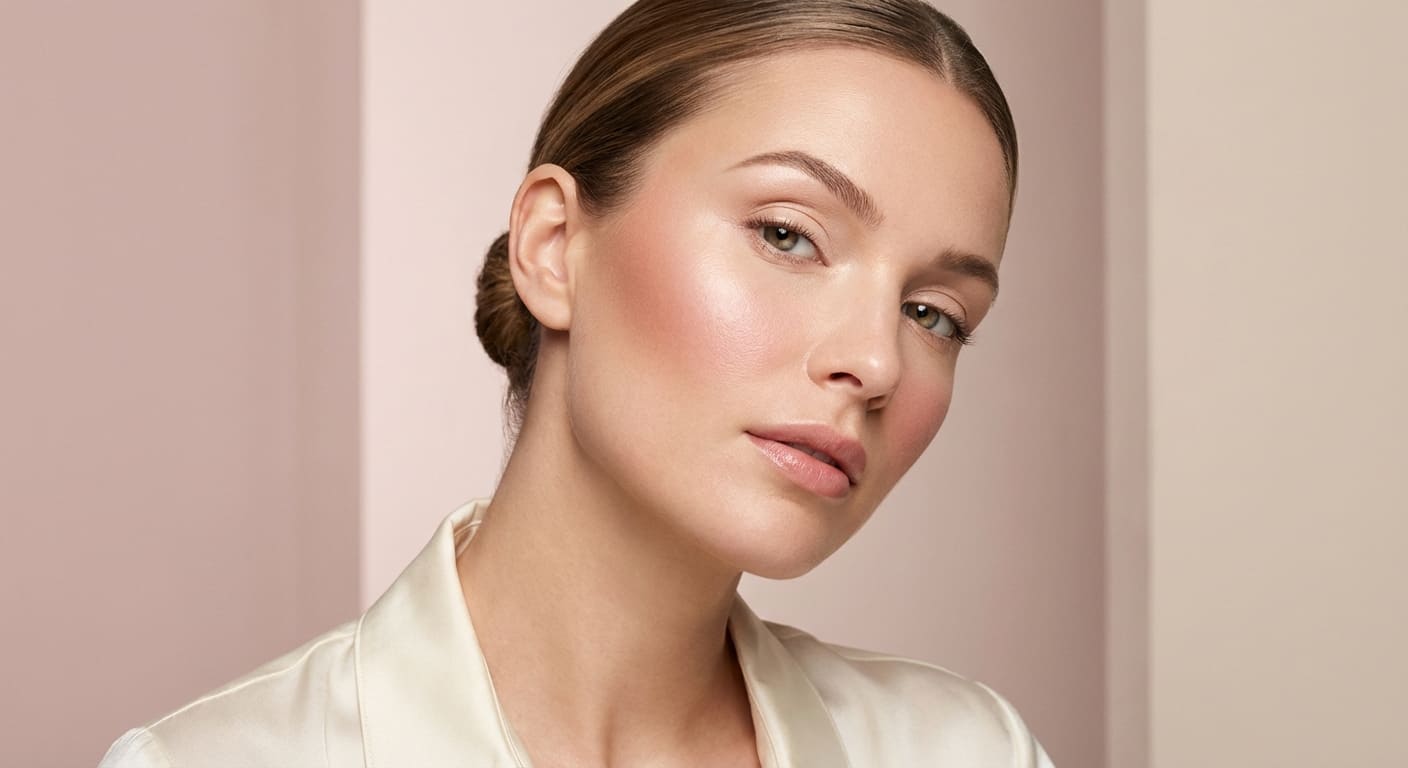
I'm going to be honest with you. I've watched probably 50 contouring tutorials on YouTube over the years. And you know what? Most of them didn't work for me. Not because they were wrong — but because they weren't made for my face.
Here's what confused me for the longest time: every tutorial would say "contour here, highlight there" as if we all have the same bone structure. We don't. My best friend has cheekbones that could cut glass. Mine? Not so much.
So when I finally figured out that contouring is really about your specific face shape — not some universal formula — everything clicked. The coffee went cold beside me as I experimented for the fifth time that morning. But this time? It worked.
Let me share what I learned. No fluff. Just the real techniques that actually make a difference.
Why Your Face Shape Changes Everything
Think about it this way. Contouring is basically strategic shadow and light. You're creating the illusion of depth where there isn't any — and pulling attention to features you want to highlight.
But here's the thing most tutorials skip: what you're trying to achieve depends entirely on what you're starting with.
If you have a round face, you probably want more angles. If you have a long face, you might want to visually shorten it. Square jaw? Maybe soften those edges. Heart-shaped? Balance that chin.
This isn't about making everyone look the same. It's about understanding your canvas before you start painting.
Not Sure What Your Face Shape Is?
Honestly, this part tripped me up too. I spent way too long staring in the mirror going "am I oval? Round? What even IS oblong?"
If you're in that boat, try our face shape detector. Takes about 2 seconds and uses AI to actually measure your proportions.
Find Your Face ShapeRound Face: Creating Definition
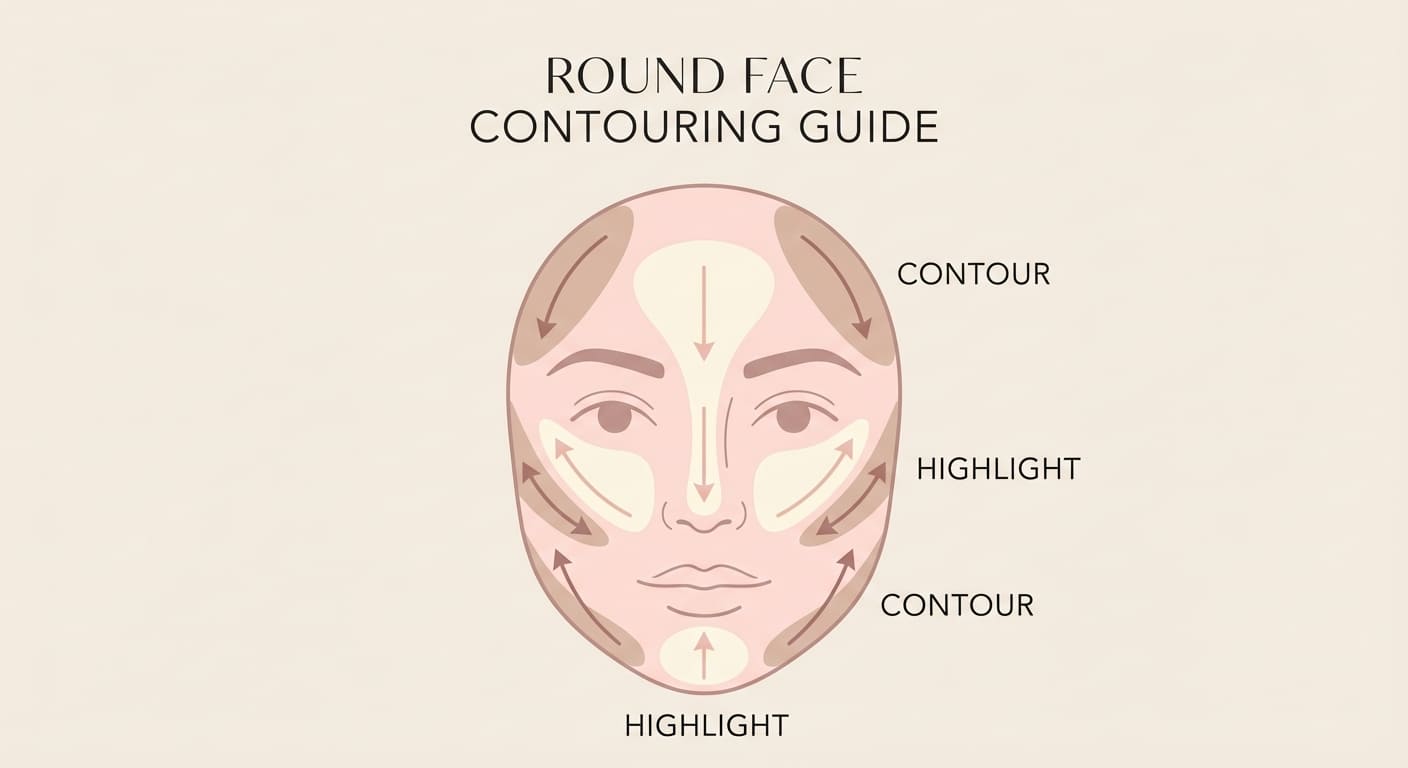
If your face shape is round — meaning your face length and width are pretty similar, with soft curves — your goal is typically to add some angles and elongate slightly.
What Actually Works:
- Contour the sides of your forehead — blend that shadow right at your hairline temples. This creates the illusion of a narrower face.
- Hollow out those cheeks. Start from your ear, angle down toward your mouth corner, but stop about two fingers away from your lips.
- Contour along your jawline — particularly underneath the jaw. This adds shadow that makes your face appear longer.
What I Messed Up (So You Don't Have To)
I used to bring my cheek contour too close to my nose. Made me look like I had dirt on my face. Leave at least a two-finger gap from your nose crease.
Oval Face: You've Got Options
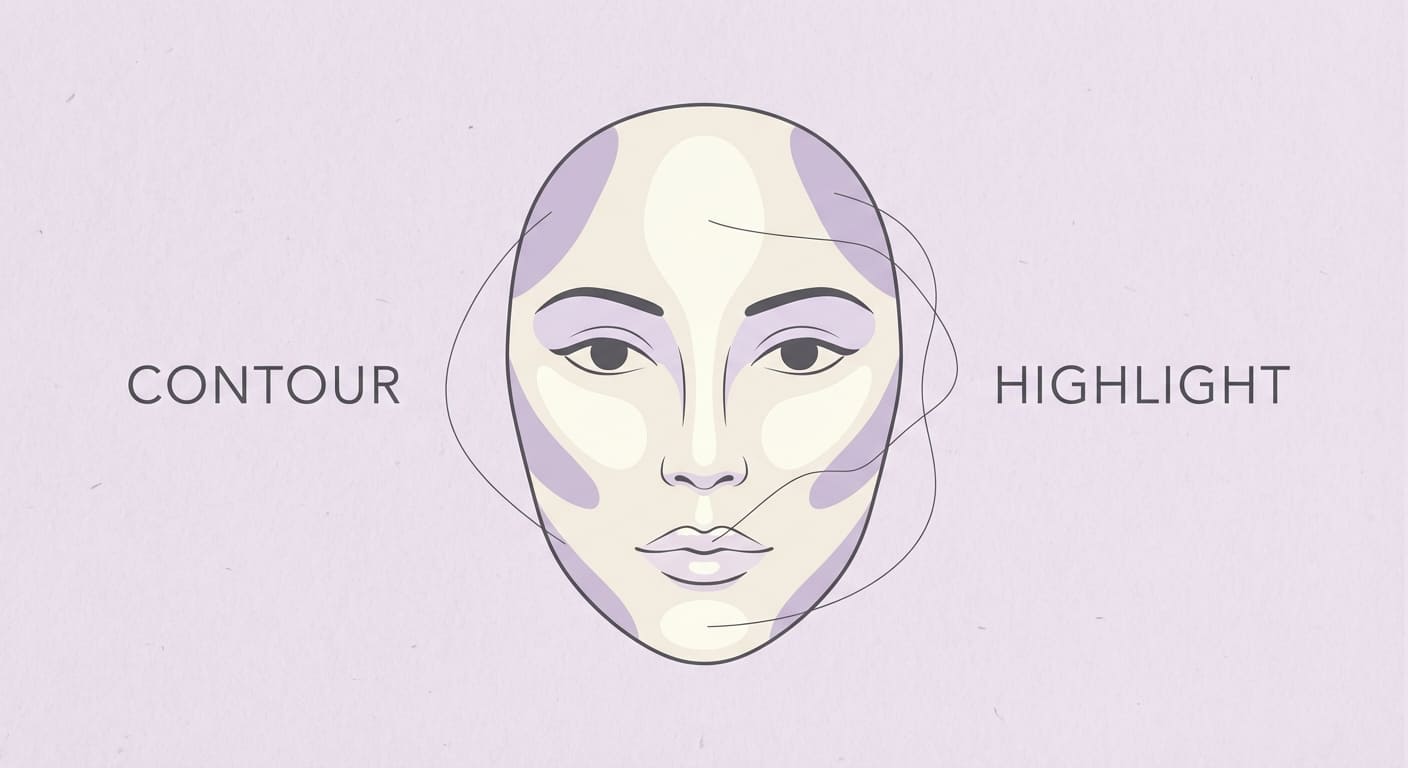
This is often called the "ideal" face shape for makeup. Honestly? I think that's kind of annoying to hear if you don't have it. But if you do — you have more flexibility.
Your proportions are already balanced. So contouring is less about correction and more about enhancement.
Keep It Simple:
- Light cheek contour — just to add definition. Nothing dramatic needed.
- Subtle nose contour if you want it. But honestly, you can skip it.
- Focus on highlight — center of forehead, nose bridge, chin, cupid's bow.
Square Face: Softening the Angles
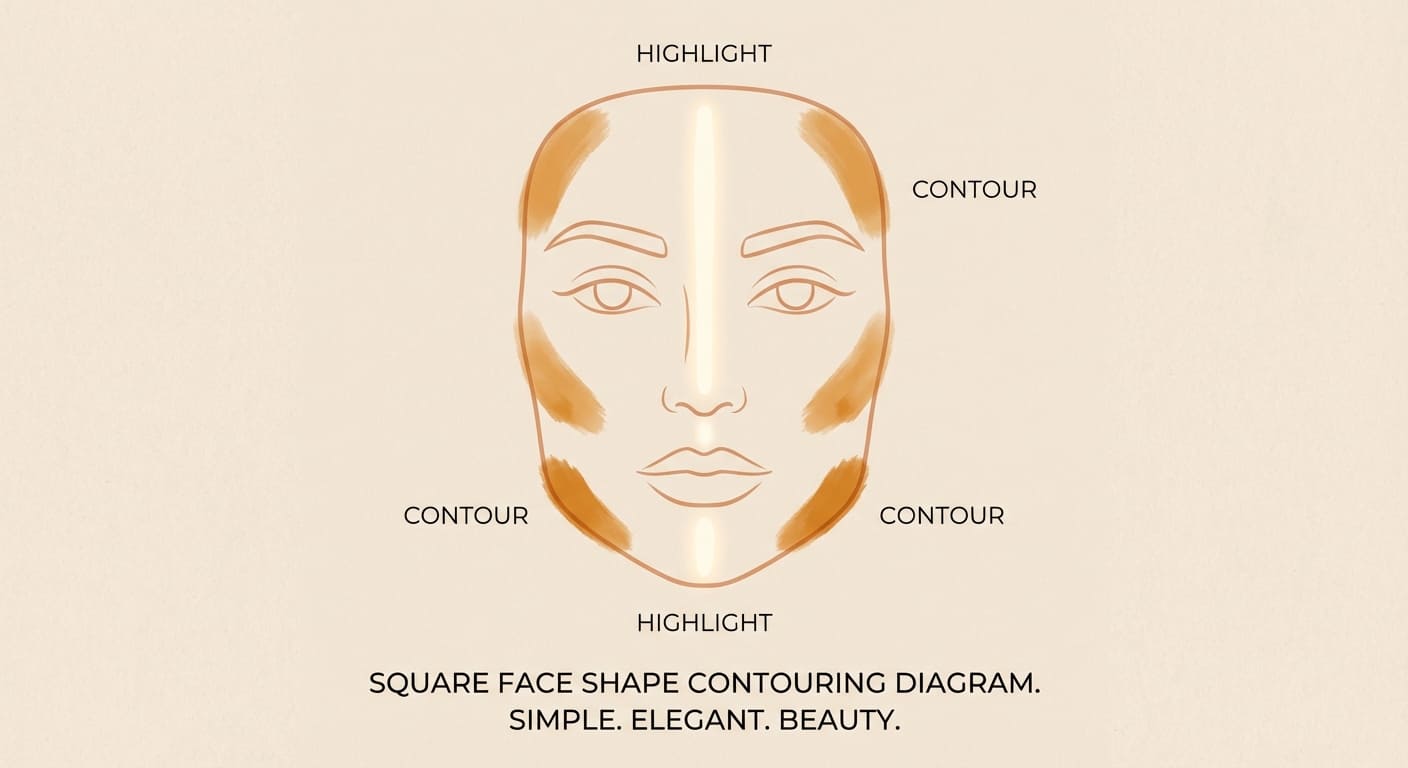
Strong jawline. Angular forehead. If that's you — you've got great bone structure. The goal here isn't to hide it. It's to balance it with some softer shadows.
Here's the Move:
- Contour the corners of your jaw. Not the entire jawline — just those sharp corners. Blend out toward your ear.
- Hit the temples. Same idea — those outer corners of your forehead.
- Highlight down the center — forehead, nose, chin. This draws the eye to the middle and away from the edges.
Heart Face: Balancing Top and Bottom
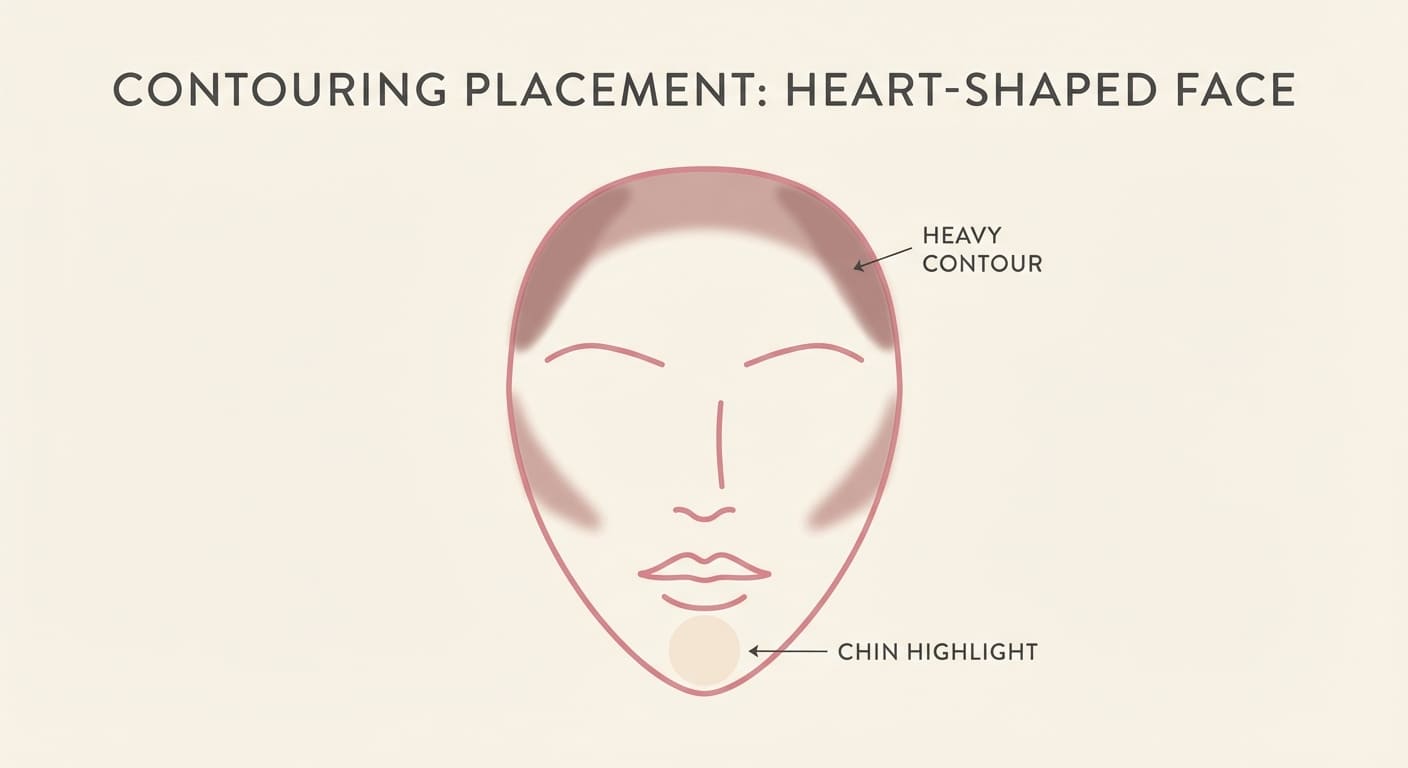
Wide forehead, prominent cheekbones, narrow chin. You probably already know your chin is the narrowest part of your face. The goal is to create visual balance.
What Works:
- Contour the sides of your forehead heavily. This is where you want the most shadow.
- Light contour on cheeks — don't go too hard here.
- Highlight your chin. This brings attention down and visually widens the lower face.
Quick Notes on Diamond and Oblong Faces
Diamond
Wide cheekbones with a narrow forehead and chin. You want to minimize those cheekbones slightly.
Focus: Contour the point of the cheekbones. Highlight forehead and chin to add width there.
Oblong/Rectangle
Long face? Your goal is to visually shorten and add width.
Focus: Contour along the hairline and under the chin. Highlight the sides of your face to add width.
Real Talk: Product Doesn't Need to Be Expensive
You don't need a $50 contour palette. I used to think you did. I was wrong.
Here's what matters more than price:
- 1 Shade match. Your contour should be 2-3 shades darker than your skin — not orange, not gray. Cool tones work better for most people.
- 2 Blendability. If it won't blend, it won't look natural. Cream formulas are more forgiving for beginners.
- 3 The right brush. Fluffy angled brush for powder. A damp sponge for cream. This matters more than the product itself.
The Takeaway
Look — contouring isn't magic. It won't change your bone structure. But once you understand what you're working with, you can use shadow and light to enhance what's already there.
Start with your face shape. Figure out what you're trying to achieve. Then practice. (Your first few attempts might look muddy. That's normal. Mine certainly did.)
And if you're still not sure what face shape you have? Use our detector. Takes two seconds and you'll actually know what you're working with.
Face Shape Detector Team
Beauty & Styling Insights
We're obsessed with helping you understand your unique features. Our AI face shape detector has helped thousands discover their face shape — and we share what we learn along the way.
Ready to Find Your Face Shape?
The techniques above work best when you actually know what you're working with. Try our free AI detector — it takes 2 seconds.
Detect My Face Shape